📍 Rio de Janeiro, Brazil
🏟️ Sambadrome Marquês de Sapucaí & Citywide Street Blocos
Cultural Guide
Rio Carnival (Carnaval do Rio de Janeiro)
Monumental Samba School pageantry, Afro-Brazilian percussion, and sun-drenched neighborhood street parades.
Part 1 · Cultural Origins
Origin & History
Tracing its earliest roots to 17th-century Portuguese Entrudo street festivities and transformed in the late 19th and early 20th centuries by Afro-Brazilian music, dance, and community associations, modern Rio Carnival took shape with the founding of the first Samba School, Deixa Falar, in 1928. In 1984, architect Oscar Niemeyer designed the permanent Sambadrome Marquês de Sapucaí, providing a 700-meter stadium avenue for the annual Grupo Especial championship parades.
Part 2 · Traditions & Atmosphere
Cultural Features & Experience
Rio Carnival is a dual cultural phenomenon: by night, community Samba Schools spend a full year crafting monumental allegorical floats, feathered costumes, and 300-drummer bateria rhythms for the Sambadrome; by day, hundreds of free neighborhood street parades (blocos de rua) fill Ipanema, Santa Teresa, and Centro. High tropical UV exposure and dense street crowds make protective sunglasses and wrist-tethered phone cases essential.
Part 3 · Verified Scale & Field Context
Scale & Attendee Experience
Over 2,000,000 daily participants across 400+ street blocos citywide, alongside 70,000+ spectators per night inside the Sambadrome (Source: Riotur / Rio de Janeiro Municipal Tourism Office official Carnival statistics, 2023/2024).
Practical Attendee Gear · Awin Verified
Useful Essentials for Rio Carnival
3 Verified Finds
Selected for Rio Carnival (Carnaval do Rio de Janeiro)’s outdoor/venue environment. Affiliate links open directly at verified Awin partner merchants.
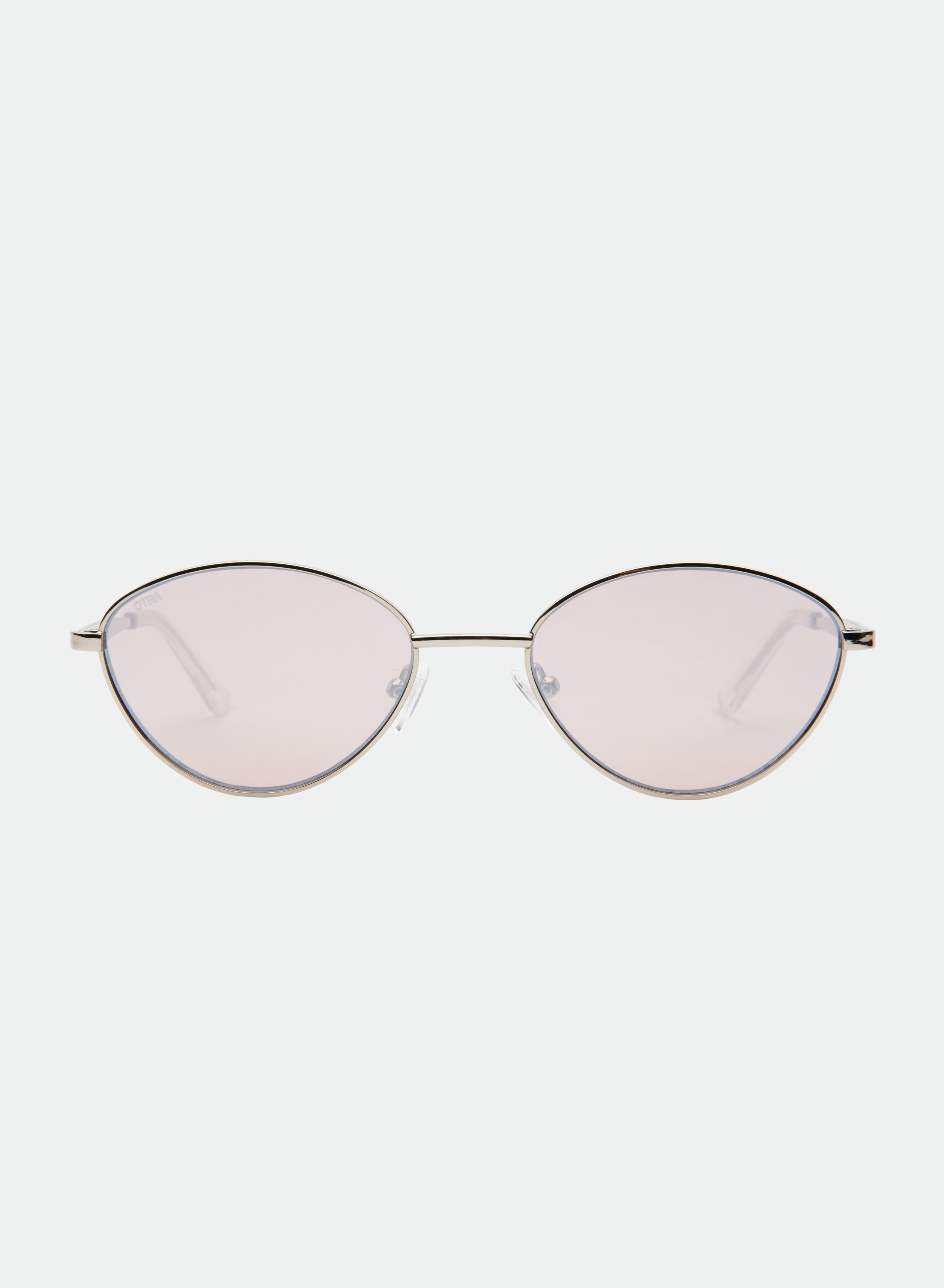
Heading into daytime Rio street blocos under bright tropical sunlight?
Deja - Silver/ Rose
$70.00
View at Otra Eyewear ↗
Opens at Otra Eyewear · Paid link (Awin Verified)
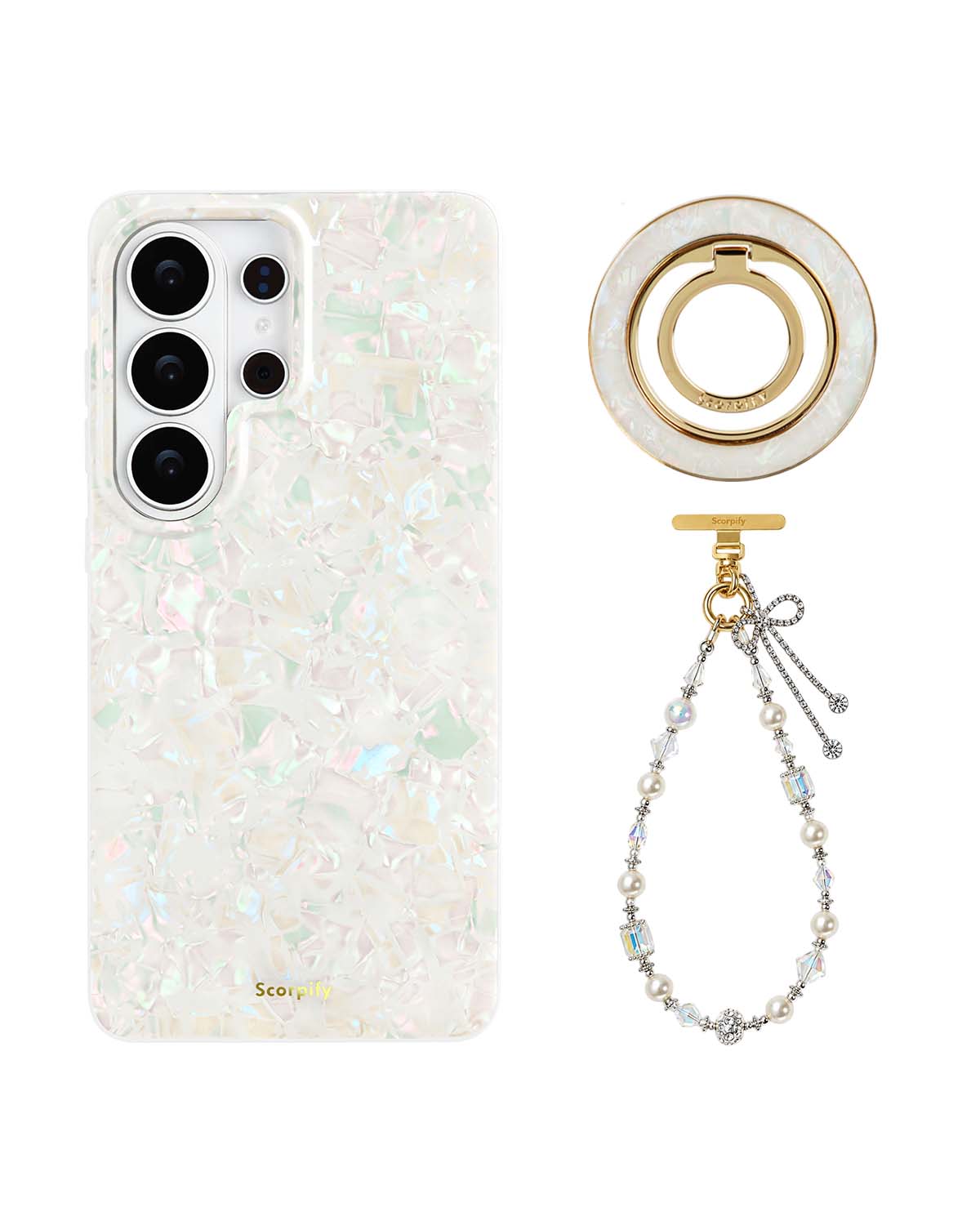
Want a secure wrist-ring phone grip while filming Sambadrome parades?
The Colorful Pearl Edit - Samsung Case + Ring + Charm - Samsung Galaxy S26 Ultra
$83.99
View at Scorpify ↗
Opens at Scorpify · Paid link (Awin Verified)
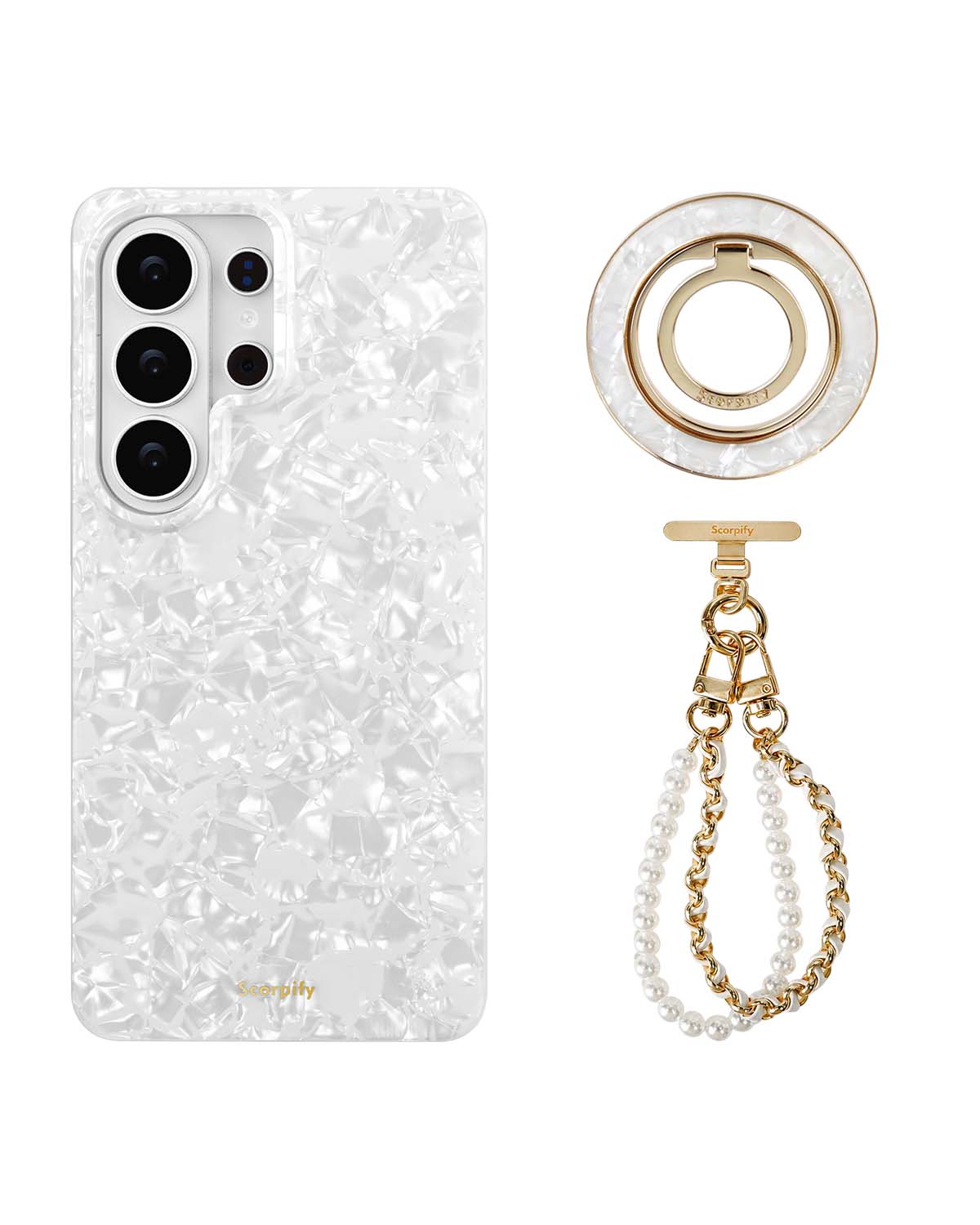
Looking for hands-free phone security during evening street processions?
The White Pearl Edit - Samsung Case + Ring + Charm - Samsung Galaxy S26 Ultra
$83.99
View at Scorpify ↗
Opens at Scorpify · Paid link (Awin Verified)
⚠️ Before attending, please check the festival's official website for the latest bag policies, prohibited items, and entry requirements.
Official Festival Website & Safety Guidance
Entry & Bag Policy Summary:
Sambadrome gates ban glass containers, hard styrofoam coolers, and umbrellas; street blocos require close-to-body anti-theft phone and card storage.
Commonly Prohibited Items at Venue Gates:
Glass bottles or cups, Hard-sided coolers, Fireworks or flares, Umbrellas or flagpoles inside Sambadrome grandstands, Aerosol cans, Drones
⚠️ Before attending, please check the festival's official website for the latest bag policies, prohibited items, and entry requirements.